
Zi Qi
See you in the next one!

A commentary on the dissonance between AI glasses and popular culture.
Protective Innovation: Building AI Glasses for the Generation That Wants Less


By Zi Qi Liow | October 30th, 2025
My Call to Action
During a coffee chat with a Product Manager at a big tech firm, the conversation turned to their work on their AI glasses. I asked how they balances the mandate to push technical innovation with Gen Z’s growing desire for "presence" and reduced screen time. They replied that this had never crossed their mind, and thus became the catalyst for me to write this piece. It forced me to ask: To what extent are we innovating to solve user pain points, versus innovating simply because we can?
The Hardware Landscape
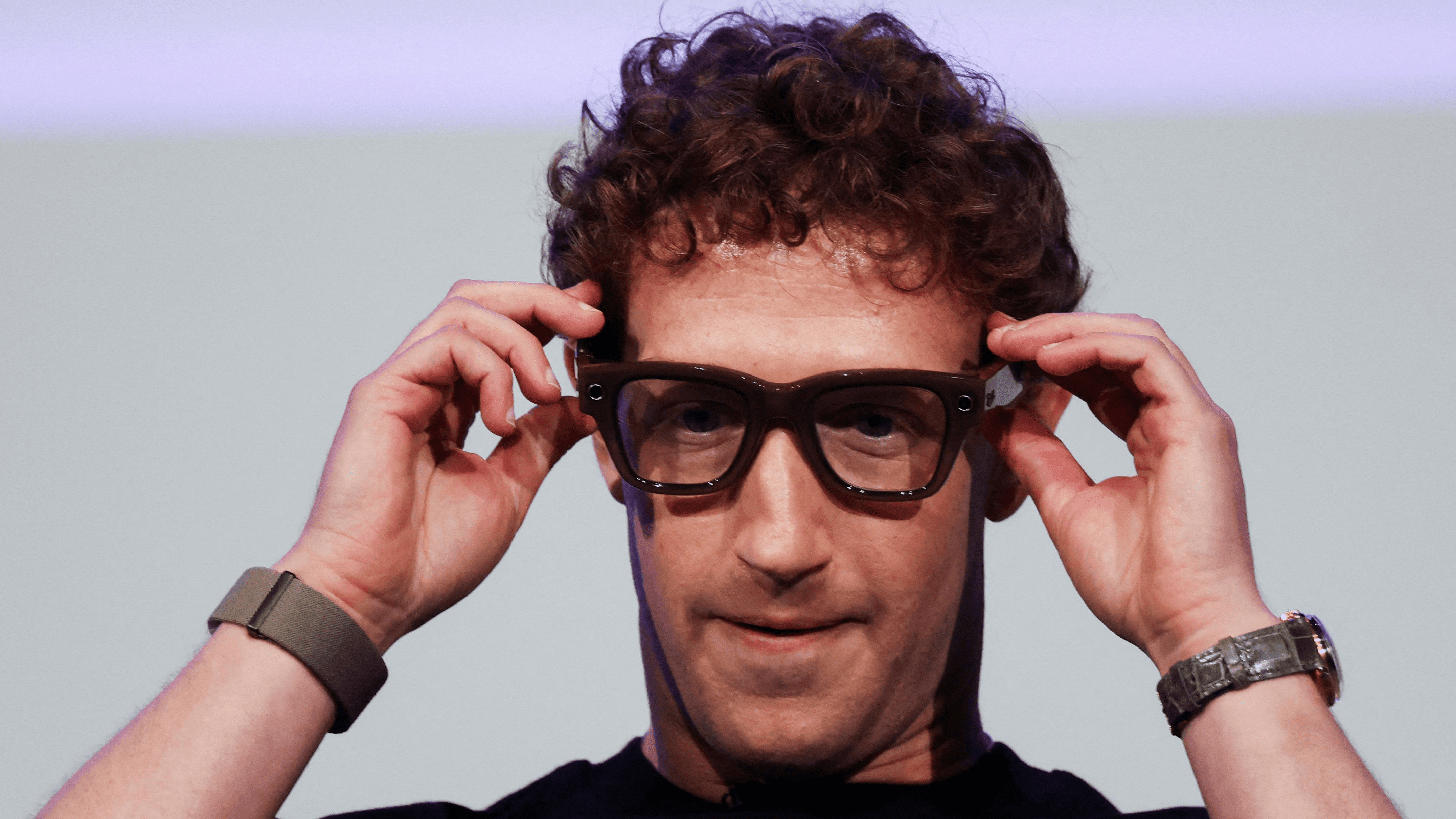
To understand the stakes, we must look at the current hardware ecosystem. AI glasses have evolved from clunky prototypes into sophisticated wearables capable of recording point-of-view media and serving as a voice-activated conduit to the digital world.
Source: BBC
The market is currently defined by aggressive expansion:
Meta continues to iterate on its successful collaboration with Ray-Ban.
Apple is rumored to be entering the space with the highly anticipated "Apple Glasses" in 2026.
Google recently solidified its strategy to court fashion-forward consumers through a massive $100 million investment in Gentle Monster to power their frames with Android XR.
Google’s partnership with the South Korean eyewear brand is particularly telling. By leveraging Gentle Monster’s viral marketing playbook, which dominated 2024 through strategic influencer PR boxes, Google is betting that aesthetic desirability can overcome technical hesitation.
The Cultural Pushback: "Don't Tap the Glass"
However, while Big Tech invests in seamless connectivity, popular culture is signaling a retreat. To understand this, we have to look at the linguistic evolution of the post-pandemic world. During the "Zoom School" era of 2020-2021, the phrase "touch grass" gained traction to tell someone to get off their screen and reconnect with nature. It was an early indicator of digital fatigue.
Source: Imgflip
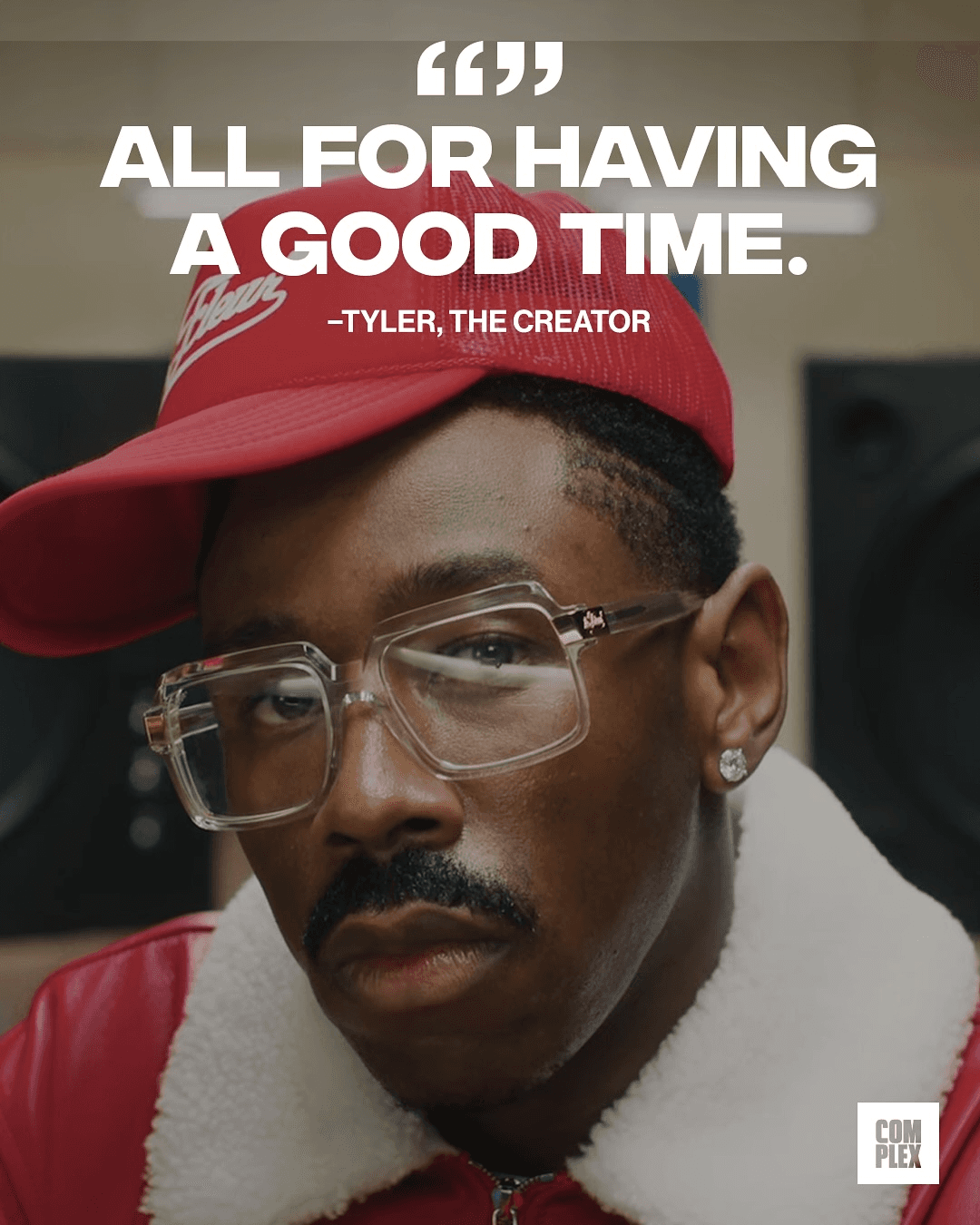
By mid-2025, this sentiment matured from internet slang into high art. Tyler, The Creator’s album Don't Tap the Glass (July 2025) serves as the perfect cultural artifact for this moment. The title serves as a metaphor encouraging fans to stop mediating their lives through screens. In an era where concerts are viewed through smartphone lenses for the sake of social media documentation, the album is a plea for raw, undocumented presence.
Source: Complex Music
Gen Z is no longer just asking people to "touch grass"; they are asking the tech industry not to put a layer of glass between them and the world.
The Frankenstein Warning
This anxiety regarding unchecked creation is mirrored in cinema. In interviews regarding his 2025 adaptation of Frankenstein, director Guillermo del Toro noted that every remake of the story reflects the fears of its time.
When Mary Shelley wrote the original novel (at 19 years old! what!), she was responding to the age of Galvanism (1786), which was characterized by the use of electricity to stimulate muscle contraction, blurring the line between life and death. In 2025, Del Toro uses the narrative to question the consequences of Artificial General Intelligence (AGI). He challenges the audience, and by extension, technologists, to consider the morality of creating something new without fully understanding its long-term societal impact.
Source: Letterboxd
The Path Forward for Product Leaders
The disconnect between the AI hardware roadmap and Gen Z’s cultural sentiment represents a great risk, but also a meaningful opportunity.
My challenge to Product Managers in this space is to embrace "Protective Innovation." We need product leaders who will build AI wearables not just to add layers to our vision, but to help us filter them out. The winning product in this category won't be the one that keeps users online 24/7; it will be the one that uses AI to intelligently curate the digital noise, allowing the user to be more present in the physical world, not less.
Innovation must do more than just dazzle us. It must respect the human need to live outside the glass.